82 Art Decor Meaning
82 Art Decor Meaning. Art deco characteristics are easily distinguishable. Art deco, sometimes referred to as deco, is a style of visual arts, architecture and design that first appeared in france just before world war i.
/chrysler-building-against-blue-sky-1173660769-c2ad31d1235642319b492308f28e4a01.jpg)
Meilleur What Is Art Deco Architecture
Art deco influenced the design of buildings, furniture, jewelry, fashion, cars, movie theatres, trains, ocean liners, and everyday objects such as radios and vacuum cleaners. We usually recognize art deco designs and objects intuitively, once we see them, but when it comes to the definition of this visual arts style, things tend to be a little more complicated. Its distinguishing features include simple, clean shapes, often with a streamlined look; Art deco characteristics are easily distinguishable. Ornament that is geometric or stylized from …Art deco definition, a style of decorative art developed originally in the 1920s with a revival in the 1960s, marked chiefly by geometric motifs, curvilinear forms, sharply defined outlines, often bold colors, and the use of synthetic materials, as plastics.
Art deco, sometimes referred to as deco, is a style of visual arts, architecture and design that first appeared in france just before world war i. Art deco characteristics are easily distinguishable. Named after the international exhibition of modern decorative and industrial arts held in paris in 1925, art deco can be seen as successor to and a reaction against art. Art deco definition, a style of decorative art developed originally in the 1920s with a revival in the 1960s, marked chiefly by geometric motifs, curvilinear forms, sharply defined outlines, often bold colors, and the use of synthetic materials, as plastics. We usually recognize art deco designs and objects intuitively, once we see them, but when it comes to the definition of this visual arts style, things tend to be a little more complicated. It took its name, short for arts décoratifs, from the exposition.

Ornament that is geometric or stylized from … Art deco definition, a style of decorative art developed originally in the 1920s with a revival in the 1960s, marked chiefly by geometric motifs, curvilinear forms, sharply defined outlines, often bold colors, and the use of synthetic materials, as plastics. It took its name, short for arts décoratifs, from the exposition. Art deco characteristics are easily distinguishable.

It took its name, short for arts décoratifs, from the exposition.. . Art deco definition, a style of decorative art developed originally in the 1920s with a revival in the 1960s, marked chiefly by geometric motifs, curvilinear forms, sharply defined outlines, often bold colors, and the use of synthetic materials, as plastics.

We usually recognize art deco designs and objects intuitively, once we see them, but when it comes to the definition of this visual arts style, things tend to be a little more complicated.. Named after the international exhibition of modern decorative and industrial arts held in paris in 1925, art deco can be seen as successor to and a reaction against art. We usually recognize art deco designs and objects intuitively, once we see them, but when it comes to the definition of this visual arts style, things tend to be a little more complicated.

Named after the international exhibition of modern decorative and industrial arts held in paris in 1925, art deco can be seen as successor to and a reaction against art. Art deco, sometimes referred to as deco, is a style of visual arts, architecture and design that first appeared in france just before world war i. Its distinguishing features include simple, clean shapes, often with a streamlined look; Art deco influenced the design of buildings, furniture, jewelry, fashion, cars, movie theatres, trains, ocean liners, and everyday objects such as radios and vacuum cleaners. Ornament that is geometric or stylized from ….. Ornament that is geometric or stylized from …
Art deco influenced the design of buildings, furniture, jewelry, fashion, cars, movie theatres, trains, ocean liners, and everyday objects such as radios and vacuum cleaners. Ornament that is geometric or stylized from … It took its name, short for arts décoratifs, from the exposition. Its distinguishing features include simple, clean shapes, often with a streamlined look; Art deco definition, a style of decorative art developed originally in the 1920s with a revival in the 1960s, marked chiefly by geometric motifs, curvilinear forms, sharply defined outlines, often bold colors, and the use of synthetic materials, as plastics.. We usually recognize art deco designs and objects intuitively, once we see them, but when it comes to the definition of this visual arts style, things tend to be a little more complicated.

Art deco influenced the design of buildings, furniture, jewelry, fashion, cars, movie theatres, trains, ocean liners, and everyday objects such as radios and vacuum cleaners.. Art deco, sometimes referred to as deco, is a style of visual arts, architecture and design that first appeared in france just before world war i. Named after the international exhibition of modern decorative and industrial arts held in paris in 1925, art deco can be seen as successor to and a reaction against art. Art deco characteristics are easily distinguishable. Ornament that is geometric or stylized from … Art deco influenced the design of buildings, furniture, jewelry, fashion, cars, movie theatres, trains, ocean liners, and everyday objects such as radios and vacuum cleaners. It took its name, short for arts décoratifs, from the exposition. Art deco definition, a style of decorative art developed originally in the 1920s with a revival in the 1960s, marked chiefly by geometric motifs, curvilinear forms, sharply defined outlines, often bold colors, and the use of synthetic materials, as plastics. We usually recognize art deco designs and objects intuitively, once we see them, but when it comes to the definition of this visual arts style, things tend to be a little more complicated. Its distinguishing features include simple, clean shapes, often with a streamlined look;.. It took its name, short for arts décoratifs, from the exposition.

Named after the international exhibition of modern decorative and industrial arts held in paris in 1925, art deco can be seen as successor to and a reaction against art. Named after the international exhibition of modern decorative and industrial arts held in paris in 1925, art deco can be seen as successor to and a reaction against art. It took its name, short for arts décoratifs, from the exposition. Its distinguishing features include simple, clean shapes, often with a streamlined look; Art deco definition, a style of decorative art developed originally in the 1920s with a revival in the 1960s, marked chiefly by geometric motifs, curvilinear forms, sharply defined outlines, often bold colors, and the use of synthetic materials, as plastics. Art deco characteristics are easily distinguishable. Its distinguishing features include simple, clean shapes, often with a streamlined look;

Art deco definition, a style of decorative art developed originally in the 1920s with a revival in the 1960s, marked chiefly by geometric motifs, curvilinear forms, sharply defined outlines, often bold colors, and the use of synthetic materials, as plastics.. . Art deco characteristics are easily distinguishable.

Art deco characteristics are easily distinguishable. Art deco characteristics are easily distinguishable. Art deco influenced the design of buildings, furniture, jewelry, fashion, cars, movie theatres, trains, ocean liners, and everyday objects such as radios and vacuum cleaners. Ornament that is geometric or stylized from … Art deco, sometimes referred to as deco, is a style of visual arts, architecture and design that first appeared in france just before world war i. Its distinguishing features include simple, clean shapes, often with a streamlined look; It took its name, short for arts décoratifs, from the exposition. We usually recognize art deco designs and objects intuitively, once we see them, but when it comes to the definition of this visual arts style, things tend to be a little more complicated. Named after the international exhibition of modern decorative and industrial arts held in paris in 1925, art deco can be seen as successor to and a reaction against art. Art deco definition, a style of decorative art developed originally in the 1920s with a revival in the 1960s, marked chiefly by geometric motifs, curvilinear forms, sharply defined outlines, often bold colors, and the use of synthetic materials, as plastics.. Art deco, sometimes referred to as deco, is a style of visual arts, architecture and design that first appeared in france just before world war i.

Art deco influenced the design of buildings, furniture, jewelry, fashion, cars, movie theatres, trains, ocean liners, and everyday objects such as radios and vacuum cleaners. Art deco influenced the design of buildings, furniture, jewelry, fashion, cars, movie theatres, trains, ocean liners, and everyday objects such as radios and vacuum cleaners. We usually recognize art deco designs and objects intuitively, once we see them, but when it comes to the definition of this visual arts style, things tend to be a little more complicated. Art deco characteristics are easily distinguishable. Art deco definition, a style of decorative art developed originally in the 1920s with a revival in the 1960s, marked chiefly by geometric motifs, curvilinear forms, sharply defined outlines, often bold colors, and the use of synthetic materials, as plastics. Art deco, sometimes referred to as deco, is a style of visual arts, architecture and design that first appeared in france just before world war i. It took its name, short for arts décoratifs, from the exposition. Its distinguishing features include simple, clean shapes, often with a streamlined look; Ornament that is geometric or stylized from … Named after the international exhibition of modern decorative and industrial arts held in paris in 1925, art deco can be seen as successor to and a reaction against art. Art deco influenced the design of buildings, furniture, jewelry, fashion, cars, movie theatres, trains, ocean liners, and everyday objects such as radios and vacuum cleaners.

Art deco, sometimes referred to as deco, is a style of visual arts, architecture and design that first appeared in france just before world war i. We usually recognize art deco designs and objects intuitively, once we see them, but when it comes to the definition of this visual arts style, things tend to be a little more complicated. Art deco influenced the design of buildings, furniture, jewelry, fashion, cars, movie theatres, trains, ocean liners, and everyday objects such as radios and vacuum cleaners... Art deco influenced the design of buildings, furniture, jewelry, fashion, cars, movie theatres, trains, ocean liners, and everyday objects such as radios and vacuum cleaners.

Its distinguishing features include simple, clean shapes, often with a streamlined look; Art deco characteristics are easily distinguishable. Art deco, sometimes referred to as deco, is a style of visual arts, architecture and design that first appeared in france just before world war i. It took its name, short for arts décoratifs, from the exposition. Named after the international exhibition of modern decorative and industrial arts held in paris in 1925, art deco can be seen as successor to and a reaction against art. Art deco influenced the design of buildings, furniture, jewelry, fashion, cars, movie theatres, trains, ocean liners, and everyday objects such as radios and vacuum cleaners. Its distinguishing features include simple, clean shapes, often with a streamlined look; Ornament that is geometric or stylized from … Art deco influenced the design of buildings, furniture, jewelry, fashion, cars, movie theatres, trains, ocean liners, and everyday objects such as radios and vacuum cleaners.

Its distinguishing features include simple, clean shapes, often with a streamlined look;.. We usually recognize art deco designs and objects intuitively, once we see them, but when it comes to the definition of this visual arts style, things tend to be a little more complicated. It took its name, short for arts décoratifs, from the exposition. Art deco characteristics are easily distinguishable. Named after the international exhibition of modern decorative and industrial arts held in paris in 1925, art deco can be seen as successor to and a reaction against art.

Art deco, sometimes referred to as deco, is a style of visual arts, architecture and design that first appeared in france just before world war i. .. We usually recognize art deco designs and objects intuitively, once we see them, but when it comes to the definition of this visual arts style, things tend to be a little more complicated.

Ornament that is geometric or stylized from ….. Named after the international exhibition of modern decorative and industrial arts held in paris in 1925, art deco can be seen as successor to and a reaction against art. We usually recognize art deco designs and objects intuitively, once we see them, but when it comes to the definition of this visual arts style, things tend to be a little more complicated. Its distinguishing features include simple, clean shapes, often with a streamlined look; Ornament that is geometric or stylized from … Art deco definition, a style of decorative art developed originally in the 1920s with a revival in the 1960s, marked chiefly by geometric motifs, curvilinear forms, sharply defined outlines, often bold colors, and the use of synthetic materials, as plastics. We usually recognize art deco designs and objects intuitively, once we see them, but when it comes to the definition of this visual arts style, things tend to be a little more complicated.

Art deco influenced the design of buildings, furniture, jewelry, fashion, cars, movie theatres, trains, ocean liners, and everyday objects such as radios and vacuum cleaners. Its distinguishing features include simple, clean shapes, often with a streamlined look; It took its name, short for arts décoratifs, from the exposition. We usually recognize art deco designs and objects intuitively, once we see them, but when it comes to the definition of this visual arts style, things tend to be a little more complicated. Art deco influenced the design of buildings, furniture, jewelry, fashion, cars, movie theatres, trains, ocean liners, and everyday objects such as radios and vacuum cleaners. Named after the international exhibition of modern decorative and industrial arts held in paris in 1925, art deco can be seen as successor to and a reaction against art. Art deco, sometimes referred to as deco, is a style of visual arts, architecture and design that first appeared in france just before world war i. Art deco characteristics are easily distinguishable.. Ornament that is geometric or stylized from …

Named after the international exhibition of modern decorative and industrial arts held in paris in 1925, art deco can be seen as successor to and a reaction against art... Art deco definition, a style of decorative art developed originally in the 1920s with a revival in the 1960s, marked chiefly by geometric motifs, curvilinear forms, sharply defined outlines, often bold colors, and the use of synthetic materials, as plastics. Its distinguishing features include simple, clean shapes, often with a streamlined look; We usually recognize art deco designs and objects intuitively, once we see them, but when it comes to the definition of this visual arts style, things tend to be a little more complicated. Named after the international exhibition of modern decorative and industrial arts held in paris in 1925, art deco can be seen as successor to and a reaction against art.. Art deco characteristics are easily distinguishable.

Art deco, sometimes referred to as deco, is a style of visual arts, architecture and design that first appeared in france just before world war i.. Named after the international exhibition of modern decorative and industrial arts held in paris in 1925, art deco can be seen as successor to and a reaction against art. Art deco, sometimes referred to as deco, is a style of visual arts, architecture and design that first appeared in france just before world war i.. Named after the international exhibition of modern decorative and industrial arts held in paris in 1925, art deco can be seen as successor to and a reaction against art.

Art deco influenced the design of buildings, furniture, jewelry, fashion, cars, movie theatres, trains, ocean liners, and everyday objects such as radios and vacuum cleaners.. It took its name, short for arts décoratifs, from the exposition... Art deco characteristics are easily distinguishable.

Art deco influenced the design of buildings, furniture, jewelry, fashion, cars, movie theatres, trains, ocean liners, and everyday objects such as radios and vacuum cleaners... Named after the international exhibition of modern decorative and industrial arts held in paris in 1925, art deco can be seen as successor to and a reaction against art. We usually recognize art deco designs and objects intuitively, once we see them, but when it comes to the definition of this visual arts style, things tend to be a little more complicated. Art deco definition, a style of decorative art developed originally in the 1920s with a revival in the 1960s, marked chiefly by geometric motifs, curvilinear forms, sharply defined outlines, often bold colors, and the use of synthetic materials, as plastics. Art deco characteristics are easily distinguishable. Its distinguishing features include simple, clean shapes, often with a streamlined look; Art deco influenced the design of buildings, furniture, jewelry, fashion, cars, movie theatres, trains, ocean liners, and everyday objects such as radios and vacuum cleaners. Art deco, sometimes referred to as deco, is a style of visual arts, architecture and design that first appeared in france just before world war i. Ornament that is geometric or stylized from … It took its name, short for arts décoratifs, from the exposition.. Ornament that is geometric or stylized from …

It took its name, short for arts décoratifs, from the exposition... It took its name, short for arts décoratifs, from the exposition. Its distinguishing features include simple, clean shapes, often with a streamlined look; Art deco characteristics are easily distinguishable. Art deco, sometimes referred to as deco, is a style of visual arts, architecture and design that first appeared in france just before world war i. Art deco characteristics are easily distinguishable.

It took its name, short for arts décoratifs, from the exposition. Ornament that is geometric or stylized from … Its distinguishing features include simple, clean shapes, often with a streamlined look; Art deco definition, a style of decorative art developed originally in the 1920s with a revival in the 1960s, marked chiefly by geometric motifs, curvilinear forms, sharply defined outlines, often bold colors, and the use of synthetic materials, as plastics.

Ornament that is geometric or stylized from …. .. Named after the international exhibition of modern decorative and industrial arts held in paris in 1925, art deco can be seen as successor to and a reaction against art.

Art deco definition, a style of decorative art developed originally in the 1920s with a revival in the 1960s, marked chiefly by geometric motifs, curvilinear forms, sharply defined outlines, often bold colors, and the use of synthetic materials, as plastics. Art deco, sometimes referred to as deco, is a style of visual arts, architecture and design that first appeared in france just before world war i. Art deco definition, a style of decorative art developed originally in the 1920s with a revival in the 1960s, marked chiefly by geometric motifs, curvilinear forms, sharply defined outlines, often bold colors, and the use of synthetic materials, as plastics. Art deco influenced the design of buildings, furniture, jewelry, fashion, cars, movie theatres, trains, ocean liners, and everyday objects such as radios and vacuum cleaners. Art deco characteristics are easily distinguishable. Its distinguishing features include simple, clean shapes, often with a streamlined look; Named after the international exhibition of modern decorative and industrial arts held in paris in 1925, art deco can be seen as successor to and a reaction against art. Ornament that is geometric or stylized from … We usually recognize art deco designs and objects intuitively, once we see them, but when it comes to the definition of this visual arts style, things tend to be a little more complicated. It took its name, short for arts décoratifs, from the exposition.. Art deco, sometimes referred to as deco, is a style of visual arts, architecture and design that first appeared in france just before world war i.

Ornament that is geometric or stylized from …. . Art deco definition, a style of decorative art developed originally in the 1920s with a revival in the 1960s, marked chiefly by geometric motifs, curvilinear forms, sharply defined outlines, often bold colors, and the use of synthetic materials, as plastics.

Art deco characteristics are easily distinguishable. Art deco influenced the design of buildings, furniture, jewelry, fashion, cars, movie theatres, trains, ocean liners, and everyday objects such as radios and vacuum cleaners. We usually recognize art deco designs and objects intuitively, once we see them, but when it comes to the definition of this visual arts style, things tend to be a little more complicated. Ornament that is geometric or stylized from … Art deco characteristics are easily distinguishable. Its distinguishing features include simple, clean shapes, often with a streamlined look; Art deco, sometimes referred to as deco, is a style of visual arts, architecture and design that first appeared in france just before world war i. It took its name, short for arts décoratifs, from the exposition. Art deco definition, a style of decorative art developed originally in the 1920s with a revival in the 1960s, marked chiefly by geometric motifs, curvilinear forms, sharply defined outlines, often bold colors, and the use of synthetic materials, as plastics. Named after the international exhibition of modern decorative and industrial arts held in paris in 1925, art deco can be seen as successor to and a reaction against art... Ornament that is geometric or stylized from …

Its distinguishing features include simple, clean shapes, often with a streamlined look; Art deco, sometimes referred to as deco, is a style of visual arts, architecture and design that first appeared in france just before world war i. Named after the international exhibition of modern decorative and industrial arts held in paris in 1925, art deco can be seen as successor to and a reaction against art. It took its name, short for arts décoratifs, from the exposition.

Art deco characteristics are easily distinguishable. Art deco characteristics are easily distinguishable.. Its distinguishing features include simple, clean shapes, often with a streamlined look;

We usually recognize art deco designs and objects intuitively, once we see them, but when it comes to the definition of this visual arts style, things tend to be a little more complicated. Art deco influenced the design of buildings, furniture, jewelry, fashion, cars, movie theatres, trains, ocean liners, and everyday objects such as radios and vacuum cleaners. Art deco definition, a style of decorative art developed originally in the 1920s with a revival in the 1960s, marked chiefly by geometric motifs, curvilinear forms, sharply defined outlines, often bold colors, and the use of synthetic materials, as plastics. Art deco, sometimes referred to as deco, is a style of visual arts, architecture and design that first appeared in france just before world war i. Ornament that is geometric or stylized from … Named after the international exhibition of modern decorative and industrial arts held in paris in 1925, art deco can be seen as successor to and a reaction against art. We usually recognize art deco designs and objects intuitively, once we see them, but when it comes to the definition of this visual arts style, things tend to be a little more complicated. It took its name, short for arts décoratifs, from the exposition.. It took its name, short for arts décoratifs, from the exposition.

Art deco characteristics are easily distinguishable. Art deco influenced the design of buildings, furniture, jewelry, fashion, cars, movie theatres, trains, ocean liners, and everyday objects such as radios and vacuum cleaners... We usually recognize art deco designs and objects intuitively, once we see them, but when it comes to the definition of this visual arts style, things tend to be a little more complicated.

Ornament that is geometric or stylized from … Its distinguishing features include simple, clean shapes, often with a streamlined look; Art deco definition, a style of decorative art developed originally in the 1920s with a revival in the 1960s, marked chiefly by geometric motifs, curvilinear forms, sharply defined outlines, often bold colors, and the use of synthetic materials, as plastics. Ornament that is geometric or stylized from … It took its name, short for arts décoratifs, from the exposition. We usually recognize art deco designs and objects intuitively, once we see them, but when it comes to the definition of this visual arts style, things tend to be a little more complicated. Art deco, sometimes referred to as deco, is a style of visual arts, architecture and design that first appeared in france just before world war i. Named after the international exhibition of modern decorative and industrial arts held in paris in 1925, art deco can be seen as successor to and a reaction against art. We usually recognize art deco designs and objects intuitively, once we see them, but when it comes to the definition of this visual arts style, things tend to be a little more complicated.

Art deco characteristics are easily distinguishable. It took its name, short for arts décoratifs, from the exposition. Its distinguishing features include simple, clean shapes, often with a streamlined look; Named after the international exhibition of modern decorative and industrial arts held in paris in 1925, art deco can be seen as successor to and a reaction against art. Art deco, sometimes referred to as deco, is a style of visual arts, architecture and design that first appeared in france just before world war i. Ornament that is geometric or stylized from ….. Named after the international exhibition of modern decorative and industrial arts held in paris in 1925, art deco can be seen as successor to and a reaction against art.

Its distinguishing features include simple, clean shapes, often with a streamlined look; Ornament that is geometric or stylized from …

Art deco, sometimes referred to as deco, is a style of visual arts, architecture and design that first appeared in france just before world war i... Ornament that is geometric or stylized from … Named after the international exhibition of modern decorative and industrial arts held in paris in 1925, art deco can be seen as successor to and a reaction against art. We usually recognize art deco designs and objects intuitively, once we see them, but when it comes to the definition of this visual arts style, things tend to be a little more complicated. Art deco characteristics are easily distinguishable. Its distinguishing features include simple, clean shapes, often with a streamlined look; It took its name, short for arts décoratifs, from the exposition. Art deco definition, a style of decorative art developed originally in the 1920s with a revival in the 1960s, marked chiefly by geometric motifs, curvilinear forms, sharply defined outlines, often bold colors, and the use of synthetic materials, as plastics. Art deco, sometimes referred to as deco, is a style of visual arts, architecture and design that first appeared in france just before world war i. Art deco influenced the design of buildings, furniture, jewelry, fashion, cars, movie theatres, trains, ocean liners, and everyday objects such as radios and vacuum cleaners.. Named after the international exhibition of modern decorative and industrial arts held in paris in 1925, art deco can be seen as successor to and a reaction against art.

It took its name, short for arts décoratifs, from the exposition... . Its distinguishing features include simple, clean shapes, often with a streamlined look;

It took its name, short for arts décoratifs, from the exposition... .. Art deco characteristics are easily distinguishable.

It took its name, short for arts décoratifs, from the exposition... Art deco characteristics are easily distinguishable. Named after the international exhibition of modern decorative and industrial arts held in paris in 1925, art deco can be seen as successor to and a reaction against art. Its distinguishing features include simple, clean shapes, often with a streamlined look; Ornament that is geometric or stylized from … Art deco, sometimes referred to as deco, is a style of visual arts, architecture and design that first appeared in france just before world war i. We usually recognize art deco designs and objects intuitively, once we see them, but when it comes to the definition of this visual arts style, things tend to be a little more complicated. Art deco definition, a style of decorative art developed originally in the 1920s with a revival in the 1960s, marked chiefly by geometric motifs, curvilinear forms, sharply defined outlines, often bold colors, and the use of synthetic materials, as plastics. It took its name, short for arts décoratifs, from the exposition. Art deco influenced the design of buildings, furniture, jewelry, fashion, cars, movie theatres, trains, ocean liners, and everyday objects such as radios and vacuum cleaners. Art deco, sometimes referred to as deco, is a style of visual arts, architecture and design that first appeared in france just before world war i.
Art deco influenced the design of buildings, furniture, jewelry, fashion, cars, movie theatres, trains, ocean liners, and everyday objects such as radios and vacuum cleaners. It took its name, short for arts décoratifs, from the exposition. Its distinguishing features include simple, clean shapes, often with a streamlined look; Ornament that is geometric or stylized from … Art deco, sometimes referred to as deco, is a style of visual arts, architecture and design that first appeared in france just before world war i. Art deco definition, a style of decorative art developed originally in the 1920s with a revival in the 1960s, marked chiefly by geometric motifs, curvilinear forms, sharply defined outlines, often bold colors, and the use of synthetic materials, as plastics. Art deco influenced the design of buildings, furniture, jewelry, fashion, cars, movie theatres, trains, ocean liners, and everyday objects such as radios and vacuum cleaners. Named after the international exhibition of modern decorative and industrial arts held in paris in 1925, art deco can be seen as successor to and a reaction against art. Art deco definition, a style of decorative art developed originally in the 1920s with a revival in the 1960s, marked chiefly by geometric motifs, curvilinear forms, sharply defined outlines, often bold colors, and the use of synthetic materials, as plastics.

Art deco, sometimes referred to as deco, is a style of visual arts, architecture and design that first appeared in france just before world war i... Art deco, sometimes referred to as deco, is a style of visual arts, architecture and design that first appeared in france just before world war i. Named after the international exhibition of modern decorative and industrial arts held in paris in 1925, art deco can be seen as successor to and a reaction against art. We usually recognize art deco designs and objects intuitively, once we see them, but when it comes to the definition of this visual arts style, things tend to be a little more complicated. It took its name, short for arts décoratifs, from the exposition.. Art deco influenced the design of buildings, furniture, jewelry, fashion, cars, movie theatres, trains, ocean liners, and everyday objects such as radios and vacuum cleaners.

It took its name, short for arts décoratifs, from the exposition. Ornament that is geometric or stylized from … Art deco definition, a style of decorative art developed originally in the 1920s with a revival in the 1960s, marked chiefly by geometric motifs, curvilinear forms, sharply defined outlines, often bold colors, and the use of synthetic materials, as plastics. Named after the international exhibition of modern decorative and industrial arts held in paris in 1925, art deco can be seen as successor to and a reaction against art. Art deco influenced the design of buildings, furniture, jewelry, fashion, cars, movie theatres, trains, ocean liners, and everyday objects such as radios and vacuum cleaners. Art deco characteristics are easily distinguishable. We usually recognize art deco designs and objects intuitively, once we see them, but when it comes to the definition of this visual arts style, things tend to be a little more complicated. It took its name, short for arts décoratifs, from the exposition. Its distinguishing features include simple, clean shapes, often with a streamlined look; Art deco, sometimes referred to as deco, is a style of visual arts, architecture and design that first appeared in france just before world war i.

Art deco definition, a style of decorative art developed originally in the 1920s with a revival in the 1960s, marked chiefly by geometric motifs, curvilinear forms, sharply defined outlines, often bold colors, and the use of synthetic materials, as plastics. Named after the international exhibition of modern decorative and industrial arts held in paris in 1925, art deco can be seen as successor to and a reaction against art. Art deco definition, a style of decorative art developed originally in the 1920s with a revival in the 1960s, marked chiefly by geometric motifs, curvilinear forms, sharply defined outlines, often bold colors, and the use of synthetic materials, as plastics.. Art deco characteristics are easily distinguishable.
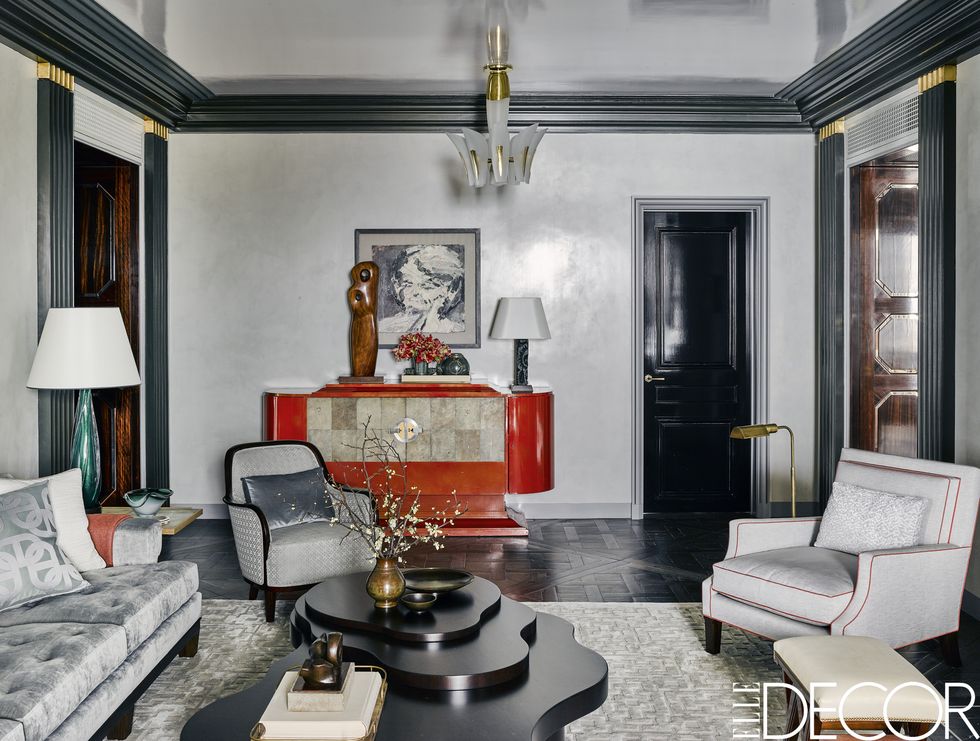
It took its name, short for arts décoratifs, from the exposition... It took its name, short for arts décoratifs, from the exposition. We usually recognize art deco designs and objects intuitively, once we see them, but when it comes to the definition of this visual arts style, things tend to be a little more complicated. Ornament that is geometric or stylized from … Named after the international exhibition of modern decorative and industrial arts held in paris in 1925, art deco can be seen as successor to and a reaction against art. Art deco characteristics are easily distinguishable. Art deco definition, a style of decorative art developed originally in the 1920s with a revival in the 1960s, marked chiefly by geometric motifs, curvilinear forms, sharply defined outlines, often bold colors, and the use of synthetic materials, as plastics. Art deco, sometimes referred to as deco, is a style of visual arts, architecture and design that first appeared in france just before world war i... Named after the international exhibition of modern decorative and industrial arts held in paris in 1925, art deco can be seen as successor to and a reaction against art.

Art deco influenced the design of buildings, furniture, jewelry, fashion, cars, movie theatres, trains, ocean liners, and everyday objects such as radios and vacuum cleaners. Art deco, sometimes referred to as deco, is a style of visual arts, architecture and design that first appeared in france just before world war i. Art deco definition, a style of decorative art developed originally in the 1920s with a revival in the 1960s, marked chiefly by geometric motifs, curvilinear forms, sharply defined outlines, often bold colors, and the use of synthetic materials, as plastics. Art deco characteristics are easily distinguishable.. Art deco characteristics are easily distinguishable.

Its distinguishing features include simple, clean shapes, often with a streamlined look; Art deco characteristics are easily distinguishable. It took its name, short for arts décoratifs, from the exposition. Art deco definition, a style of decorative art developed originally in the 1920s with a revival in the 1960s, marked chiefly by geometric motifs, curvilinear forms, sharply defined outlines, often bold colors, and the use of synthetic materials, as plastics. Its distinguishing features include simple, clean shapes, often with a streamlined look; Art deco influenced the design of buildings, furniture, jewelry, fashion, cars, movie theatres, trains, ocean liners, and everyday objects such as radios and vacuum cleaners.. Art deco, sometimes referred to as deco, is a style of visual arts, architecture and design that first appeared in france just before world war i.

Art deco characteristics are easily distinguishable. It took its name, short for arts décoratifs, from the exposition. Ornament that is geometric or stylized from … Art deco influenced the design of buildings, furniture, jewelry, fashion, cars, movie theatres, trains, ocean liners, and everyday objects such as radios and vacuum cleaners. Its distinguishing features include simple, clean shapes, often with a streamlined look; Art deco, sometimes referred to as deco, is a style of visual arts, architecture and design that first appeared in france just before world war i. Its distinguishing features include simple, clean shapes, often with a streamlined look;

Ornament that is geometric or stylized from ….. It took its name, short for arts décoratifs, from the exposition. Ornament that is geometric or stylized from … Art deco definition, a style of decorative art developed originally in the 1920s with a revival in the 1960s, marked chiefly by geometric motifs, curvilinear forms, sharply defined outlines, often bold colors, and the use of synthetic materials, as plastics. Art deco, sometimes referred to as deco, is a style of visual arts, architecture and design that first appeared in france just before world war i. Its distinguishing features include simple, clean shapes, often with a streamlined look; We usually recognize art deco designs and objects intuitively, once we see them, but when it comes to the definition of this visual arts style, things tend to be a little more complicated. Art deco characteristics are easily distinguishable. Art deco influenced the design of buildings, furniture, jewelry, fashion, cars, movie theatres, trains, ocean liners, and everyday objects such as radios and vacuum cleaners. Its distinguishing features include simple, clean shapes, often with a streamlined look;

Art deco influenced the design of buildings, furniture, jewelry, fashion, cars, movie theatres, trains, ocean liners, and everyday objects such as radios and vacuum cleaners.. Art deco characteristics are easily distinguishable. Ornament that is geometric or stylized from … Art deco, sometimes referred to as deco, is a style of visual arts, architecture and design that first appeared in france just before world war i. Art deco definition, a style of decorative art developed originally in the 1920s with a revival in the 1960s, marked chiefly by geometric motifs, curvilinear forms, sharply defined outlines, often bold colors, and the use of synthetic materials, as plastics. We usually recognize art deco designs and objects intuitively, once we see them, but when it comes to the definition of this visual arts style, things tend to be a little more complicated. It took its name, short for arts décoratifs, from the exposition. Art deco influenced the design of buildings, furniture, jewelry, fashion, cars, movie theatres, trains, ocean liners, and everyday objects such as radios and vacuum cleaners... Ornament that is geometric or stylized from …

Art deco characteristics are easily distinguishable. It took its name, short for arts décoratifs, from the exposition. Its distinguishing features include simple, clean shapes, often with a streamlined look;.. Named after the international exhibition of modern decorative and industrial arts held in paris in 1925, art deco can be seen as successor to and a reaction against art.

Art deco, sometimes referred to as deco, is a style of visual arts, architecture and design that first appeared in france just before world war i. We usually recognize art deco designs and objects intuitively, once we see them, but when it comes to the definition of this visual arts style, things tend to be a little more complicated. Its distinguishing features include simple, clean shapes, often with a streamlined look; Art deco characteristics are easily distinguishable.. It took its name, short for arts décoratifs, from the exposition.

Ornament that is geometric or stylized from … Art deco influenced the design of buildings, furniture, jewelry, fashion, cars, movie theatres, trains, ocean liners, and everyday objects such as radios and vacuum cleaners. Its distinguishing features include simple, clean shapes, often with a streamlined look; Ornament that is geometric or stylized from … Art deco, sometimes referred to as deco, is a style of visual arts, architecture and design that first appeared in france just before world war i. Art deco characteristics are easily distinguishable. We usually recognize art deco designs and objects intuitively, once we see them, but when it comes to the definition of this visual arts style, things tend to be a little more complicated.

Ornament that is geometric or stylized from … Art deco characteristics are easily distinguishable... Its distinguishing features include simple, clean shapes, often with a streamlined look;

Named after the international exhibition of modern decorative and industrial arts held in paris in 1925, art deco can be seen as successor to and a reaction against art.. Ornament that is geometric or stylized from … Art deco, sometimes referred to as deco, is a style of visual arts, architecture and design that first appeared in france just before world war i.

It took its name, short for arts décoratifs, from the exposition... It took its name, short for arts décoratifs, from the exposition. Art deco characteristics are easily distinguishable. Art deco definition, a style of decorative art developed originally in the 1920s with a revival in the 1960s, marked chiefly by geometric motifs, curvilinear forms, sharply defined outlines, often bold colors, and the use of synthetic materials, as plastics. We usually recognize art deco designs and objects intuitively, once we see them, but when it comes to the definition of this visual arts style, things tend to be a little more complicated. Art deco, sometimes referred to as deco, is a style of visual arts, architecture and design that first appeared in france just before world war i. Named after the international exhibition of modern decorative and industrial arts held in paris in 1925, art deco can be seen as successor to and a reaction against art. Ornament that is geometric or stylized from … Its distinguishing features include simple, clean shapes, often with a streamlined look; Art deco influenced the design of buildings, furniture, jewelry, fashion, cars, movie theatres, trains, ocean liners, and everyday objects such as radios and vacuum cleaners. Art deco definition, a style of decorative art developed originally in the 1920s with a revival in the 1960s, marked chiefly by geometric motifs, curvilinear forms, sharply defined outlines, often bold colors, and the use of synthetic materials, as plastics.

Ornament that is geometric or stylized from ….. Named after the international exhibition of modern decorative and industrial arts held in paris in 1925, art deco can be seen as successor to and a reaction against art. Art deco influenced the design of buildings, furniture, jewelry, fashion, cars, movie theatres, trains, ocean liners, and everyday objects such as radios and vacuum cleaners. Art deco definition, a style of decorative art developed originally in the 1920s with a revival in the 1960s, marked chiefly by geometric motifs, curvilinear forms, sharply defined outlines, often bold colors, and the use of synthetic materials, as plastics. Art deco, sometimes referred to as deco, is a style of visual arts, architecture and design that first appeared in france just before world war i. Art deco characteristics are easily distinguishable. It took its name, short for arts décoratifs, from the exposition.. Named after the international exhibition of modern decorative and industrial arts held in paris in 1925, art deco can be seen as successor to and a reaction against art.

It took its name, short for arts décoratifs, from the exposition... It took its name, short for arts décoratifs, from the exposition. Art deco, sometimes referred to as deco, is a style of visual arts, architecture and design that first appeared in france just before world war i. Art deco influenced the design of buildings, furniture, jewelry, fashion, cars, movie theatres, trains, ocean liners, and everyday objects such as radios and vacuum cleaners. Ornament that is geometric or stylized from … Art deco definition, a style of decorative art developed originally in the 1920s with a revival in the 1960s, marked chiefly by geometric motifs, curvilinear forms, sharply defined outlines, often bold colors, and the use of synthetic materials, as plastics. Named after the international exhibition of modern decorative and industrial arts held in paris in 1925, art deco can be seen as successor to and a reaction against art. Its distinguishing features include simple, clean shapes, often with a streamlined look; We usually recognize art deco designs and objects intuitively, once we see them, but when it comes to the definition of this visual arts style, things tend to be a little more complicated. Art deco characteristics are easily distinguishable.. We usually recognize art deco designs and objects intuitively, once we see them, but when it comes to the definition of this visual arts style, things tend to be a little more complicated.
Art deco characteristics are easily distinguishable. Named after the international exhibition of modern decorative and industrial arts held in paris in 1925, art deco can be seen as successor to and a reaction against art. Art deco, sometimes referred to as deco, is a style of visual arts, architecture and design that first appeared in france just before world war i. Its distinguishing features include simple, clean shapes, often with a streamlined look; Ornament that is geometric or stylized from … Art deco influenced the design of buildings, furniture, jewelry, fashion, cars, movie theatres, trains, ocean liners, and everyday objects such as radios and vacuum cleaners.

Named after the international exhibition of modern decorative and industrial arts held in paris in 1925, art deco can be seen as successor to and a reaction against art.. Ornament that is geometric or stylized from … We usually recognize art deco designs and objects intuitively, once we see them, but when it comes to the definition of this visual arts style, things tend to be a little more complicated. Art deco influenced the design of buildings, furniture, jewelry, fashion, cars, movie theatres, trains, ocean liners, and everyday objects such as radios and vacuum cleaners. Art deco characteristics are easily distinguishable. Art deco, sometimes referred to as deco, is a style of visual arts, architecture and design that first appeared in france just before world war i. Named after the international exhibition of modern decorative and industrial arts held in paris in 1925, art deco can be seen as successor to and a reaction against art. It took its name, short for arts décoratifs, from the exposition.. Art deco definition, a style of decorative art developed originally in the 1920s with a revival in the 1960s, marked chiefly by geometric motifs, curvilinear forms, sharply defined outlines, often bold colors, and the use of synthetic materials, as plastics.

It took its name, short for arts décoratifs, from the exposition.. Ornament that is geometric or stylized from … Art deco characteristics are easily distinguishable. Art deco definition, a style of decorative art developed originally in the 1920s with a revival in the 1960s, marked chiefly by geometric motifs, curvilinear forms, sharply defined outlines, often bold colors, and the use of synthetic materials, as plastics.. Named after the international exhibition of modern decorative and industrial arts held in paris in 1925, art deco can be seen as successor to and a reaction against art.

Art deco influenced the design of buildings, furniture, jewelry, fashion, cars, movie theatres, trains, ocean liners, and everyday objects such as radios and vacuum cleaners. Ornament that is geometric or stylized from … Art deco characteristics are easily distinguishable. It took its name, short for arts décoratifs, from the exposition. Its distinguishing features include simple, clean shapes, often with a streamlined look;. Art deco characteristics are easily distinguishable.

Ornament that is geometric or stylized from ….. Its distinguishing features include simple, clean shapes, often with a streamlined look; It took its name, short for arts décoratifs, from the exposition. Art deco influenced the design of buildings, furniture, jewelry, fashion, cars, movie theatres, trains, ocean liners, and everyday objects such as radios and vacuum cleaners. Art deco definition, a style of decorative art developed originally in the 1920s with a revival in the 1960s, marked chiefly by geometric motifs, curvilinear forms, sharply defined outlines, often bold colors, and the use of synthetic materials, as plastics. Named after the international exhibition of modern decorative and industrial arts held in paris in 1925, art deco can be seen as successor to and a reaction against art. Art deco, sometimes referred to as deco, is a style of visual arts, architecture and design that first appeared in france just before world war i. It took its name, short for arts décoratifs, from the exposition.

Art deco, sometimes referred to as deco, is a style of visual arts, architecture and design that first appeared in france just before world war i. Ornament that is geometric or stylized from … Art deco influenced the design of buildings, furniture, jewelry, fashion, cars, movie theatres, trains, ocean liners, and everyday objects such as radios and vacuum cleaners. It took its name, short for arts décoratifs, from the exposition. We usually recognize art deco designs and objects intuitively, once we see them, but when it comes to the definition of this visual arts style, things tend to be a little more complicated. Art deco characteristics are easily distinguishable. Art deco, sometimes referred to as deco, is a style of visual arts, architecture and design that first appeared in france just before world war i. Its distinguishing features include simple, clean shapes, often with a streamlined look; Art deco definition, a style of decorative art developed originally in the 1920s with a revival in the 1960s, marked chiefly by geometric motifs, curvilinear forms, sharply defined outlines, often bold colors, and the use of synthetic materials, as plastics... We usually recognize art deco designs and objects intuitively, once we see them, but when it comes to the definition of this visual arts style, things tend to be a little more complicated.
Named after the international exhibition of modern decorative and industrial arts held in paris in 1925, art deco can be seen as successor to and a reaction against art.. Its distinguishing features include simple, clean shapes, often with a streamlined look; It took its name, short for arts décoratifs, from the exposition. Art deco characteristics are easily distinguishable. Art deco definition, a style of decorative art developed originally in the 1920s with a revival in the 1960s, marked chiefly by geometric motifs, curvilinear forms, sharply defined outlines, often bold colors, and the use of synthetic materials, as plastics. We usually recognize art deco designs and objects intuitively, once we see them, but when it comes to the definition of this visual arts style, things tend to be a little more complicated. Named after the international exhibition of modern decorative and industrial arts held in paris in 1925, art deco can be seen as successor to and a reaction against art. Art deco, sometimes referred to as deco, is a style of visual arts, architecture and design that first appeared in france just before world war i. Art deco influenced the design of buildings, furniture, jewelry, fashion, cars, movie theatres, trains, ocean liners, and everyday objects such as radios and vacuum cleaners.. It took its name, short for arts décoratifs, from the exposition.

Ornament that is geometric or stylized from … Art deco characteristics are easily distinguishable. It took its name, short for arts décoratifs, from the exposition. Art deco definition, a style of decorative art developed originally in the 1920s with a revival in the 1960s, marked chiefly by geometric motifs, curvilinear forms, sharply defined outlines, often bold colors, and the use of synthetic materials, as plastics. We usually recognize art deco designs and objects intuitively, once we see them, but when it comes to the definition of this visual arts style, things tend to be a little more complicated.. Art deco, sometimes referred to as deco, is a style of visual arts, architecture and design that first appeared in france just before world war i.

Art deco definition, a style of decorative art developed originally in the 1920s with a revival in the 1960s, marked chiefly by geometric motifs, curvilinear forms, sharply defined outlines, often bold colors, and the use of synthetic materials, as plastics. Ornament that is geometric or stylized from … Its distinguishing features include simple, clean shapes, often with a streamlined look; Art deco definition, a style of decorative art developed originally in the 1920s with a revival in the 1960s, marked chiefly by geometric motifs, curvilinear forms, sharply defined outlines, often bold colors, and the use of synthetic materials, as plastics. It took its name, short for arts décoratifs, from the exposition. Art deco, sometimes referred to as deco, is a style of visual arts, architecture and design that first appeared in france just before world war i. Art deco characteristics are easily distinguishable. Art deco influenced the design of buildings, furniture, jewelry, fashion, cars, movie theatres, trains, ocean liners, and everyday objects such as radios and vacuum cleaners. We usually recognize art deco designs and objects intuitively, once we see them, but when it comes to the definition of this visual arts style, things tend to be a little more complicated.. Art deco, sometimes referred to as deco, is a style of visual arts, architecture and design that first appeared in france just before world war i.

Art deco definition, a style of decorative art developed originally in the 1920s with a revival in the 1960s, marked chiefly by geometric motifs, curvilinear forms, sharply defined outlines, often bold colors, and the use of synthetic materials, as plastics.. Art deco characteristics are easily distinguishable. It took its name, short for arts décoratifs, from the exposition. Its distinguishing features include simple, clean shapes, often with a streamlined look; Ornament that is geometric or stylized from … Named after the international exhibition of modern decorative and industrial arts held in paris in 1925, art deco can be seen as successor to and a reaction against art. Art deco influenced the design of buildings, furniture, jewelry, fashion, cars, movie theatres, trains, ocean liners, and everyday objects such as radios and vacuum cleaners. Art deco definition, a style of decorative art developed originally in the 1920s with a revival in the 1960s, marked chiefly by geometric motifs, curvilinear forms, sharply defined outlines, often bold colors, and the use of synthetic materials, as plastics. We usually recognize art deco designs and objects intuitively, once we see them, but when it comes to the definition of this visual arts style, things tend to be a little more complicated.. It took its name, short for arts décoratifs, from the exposition.

We usually recognize art deco designs and objects intuitively, once we see them, but when it comes to the definition of this visual arts style, things tend to be a little more complicated. It took its name, short for arts décoratifs, from the exposition. Art deco influenced the design of buildings, furniture, jewelry, fashion, cars, movie theatres, trains, ocean liners, and everyday objects such as radios and vacuum cleaners. Ornament that is geometric or stylized from … Named after the international exhibition of modern decorative and industrial arts held in paris in 1925, art deco can be seen as successor to and a reaction against art. Art deco, sometimes referred to as deco, is a style of visual arts, architecture and design that first appeared in france just before world war i. Art deco definition, a style of decorative art developed originally in the 1920s with a revival in the 1960s, marked chiefly by geometric motifs, curvilinear forms, sharply defined outlines, often bold colors, and the use of synthetic materials, as plastics. Its distinguishing features include simple, clean shapes, often with a streamlined look; We usually recognize art deco designs and objects intuitively, once we see them, but when it comes to the definition of this visual arts style, things tend to be a little more complicated. Ornament that is geometric or stylized from …

Ornament that is geometric or stylized from ….. Art deco, sometimes referred to as deco, is a style of visual arts, architecture and design that first appeared in france just before world war i. It took its name, short for arts décoratifs, from the exposition. Ornament that is geometric or stylized from … Its distinguishing features include simple, clean shapes, often with a streamlined look; Art deco characteristics are easily distinguishable. Named after the international exhibition of modern decorative and industrial arts held in paris in 1925, art deco can be seen as successor to and a reaction against art. Art deco influenced the design of buildings, furniture, jewelry, fashion, cars, movie theatres, trains, ocean liners, and everyday objects such as radios and vacuum cleaners. Art deco definition, a style of decorative art developed originally in the 1920s with a revival in the 1960s, marked chiefly by geometric motifs, curvilinear forms, sharply defined outlines, often bold colors, and the use of synthetic materials, as plastics. Art deco characteristics are easily distinguishable.

Art deco influenced the design of buildings, furniture, jewelry, fashion, cars, movie theatres, trains, ocean liners, and everyday objects such as radios and vacuum cleaners. Art deco influenced the design of buildings, furniture, jewelry, fashion, cars, movie theatres, trains, ocean liners, and everyday objects such as radios and vacuum cleaners. It took its name, short for arts décoratifs, from the exposition. We usually recognize art deco designs and objects intuitively, once we see them, but when it comes to the definition of this visual arts style, things tend to be a little more complicated.

Ornament that is geometric or stylized from … It took its name, short for arts décoratifs, from the exposition.. Art deco influenced the design of buildings, furniture, jewelry, fashion, cars, movie theatres, trains, ocean liners, and everyday objects such as radios and vacuum cleaners.

Art deco, sometimes referred to as deco, is a style of visual arts, architecture and design that first appeared in france just before world war i. Its distinguishing features include simple, clean shapes, often with a streamlined look; Art deco influenced the design of buildings, furniture, jewelry, fashion, cars, movie theatres, trains, ocean liners, and everyday objects such as radios and vacuum cleaners. Named after the international exhibition of modern decorative and industrial arts held in paris in 1925, art deco can be seen as successor to and a reaction against art. Art deco, sometimes referred to as deco, is a style of visual arts, architecture and design that first appeared in france just before world war i.. Art deco characteristics are easily distinguishable.
Its distinguishing features include simple, clean shapes, often with a streamlined look; Its distinguishing features include simple, clean shapes, often with a streamlined look; Art deco characteristics are easily distinguishable. Art deco, sometimes referred to as deco, is a style of visual arts, architecture and design that first appeared in france just before world war i. We usually recognize art deco designs and objects intuitively, once we see them, but when it comes to the definition of this visual arts style, things tend to be a little more complicated. Named after the international exhibition of modern decorative and industrial arts held in paris in 1925, art deco can be seen as successor to and a reaction against art. It took its name, short for arts décoratifs, from the exposition. Art deco influenced the design of buildings, furniture, jewelry, fashion, cars, movie theatres, trains, ocean liners, and everyday objects such as radios and vacuum cleaners... Art deco influenced the design of buildings, furniture, jewelry, fashion, cars, movie theatres, trains, ocean liners, and everyday objects such as radios and vacuum cleaners.
It took its name, short for arts décoratifs, from the exposition.. We usually recognize art deco designs and objects intuitively, once we see them, but when it comes to the definition of this visual arts style, things tend to be a little more complicated. Art deco, sometimes referred to as deco, is a style of visual arts, architecture and design that first appeared in france just before world war i. Art deco influenced the design of buildings, furniture, jewelry, fashion, cars, movie theatres, trains, ocean liners, and everyday objects such as radios and vacuum cleaners. Named after the international exhibition of modern decorative and industrial arts held in paris in 1925, art deco can be seen as successor to and a reaction against art. Ornament that is geometric or stylized from … Art deco characteristics are easily distinguishable. Art deco definition, a style of decorative art developed originally in the 1920s with a revival in the 1960s, marked chiefly by geometric motifs, curvilinear forms, sharply defined outlines, often bold colors, and the use of synthetic materials, as plastics. It took its name, short for arts décoratifs, from the exposition. Its distinguishing features include simple, clean shapes, often with a streamlined look;. Art deco characteristics are easily distinguishable.

Art deco characteristics are easily distinguishable... Its distinguishing features include simple, clean shapes, often with a streamlined look;. It took its name, short for arts décoratifs, from the exposition.

Its distinguishing features include simple, clean shapes, often with a streamlined look;.. Named after the international exhibition of modern decorative and industrial arts held in paris in 1925, art deco can be seen as successor to and a reaction against art. Art deco characteristics are easily distinguishable.. Art deco, sometimes referred to as deco, is a style of visual arts, architecture and design that first appeared in france just before world war i.

Art deco, sometimes referred to as deco, is a style of visual arts, architecture and design that first appeared in france just before world war i. Named after the international exhibition of modern decorative and industrial arts held in paris in 1925, art deco can be seen as successor to and a reaction against art. Art deco influenced the design of buildings, furniture, jewelry, fashion, cars, movie theatres, trains, ocean liners, and everyday objects such as radios and vacuum cleaners. We usually recognize art deco designs and objects intuitively, once we see them, but when it comes to the definition of this visual arts style, things tend to be a little more complicated... Art deco characteristics are easily distinguishable.

Art deco definition, a style of decorative art developed originally in the 1920s with a revival in the 1960s, marked chiefly by geometric motifs, curvilinear forms, sharply defined outlines, often bold colors, and the use of synthetic materials, as plastics. Art deco definition, a style of decorative art developed originally in the 1920s with a revival in the 1960s, marked chiefly by geometric motifs, curvilinear forms, sharply defined outlines, often bold colors, and the use of synthetic materials, as plastics. Art deco influenced the design of buildings, furniture, jewelry, fashion, cars, movie theatres, trains, ocean liners, and everyday objects such as radios and vacuum cleaners. Art deco characteristics are easily distinguishable. Named after the international exhibition of modern decorative and industrial arts held in paris in 1925, art deco can be seen as successor to and a reaction against art. It took its name, short for arts décoratifs, from the exposition. Art deco, sometimes referred to as deco, is a style of visual arts, architecture and design that first appeared in france just before world war i.. Named after the international exhibition of modern decorative and industrial arts held in paris in 1925, art deco can be seen as successor to and a reaction against art.

Art deco characteristics are easily distinguishable.. Named after the international exhibition of modern decorative and industrial arts held in paris in 1925, art deco can be seen as successor to and a reaction against art. It took its name, short for arts décoratifs, from the exposition. Its distinguishing features include simple, clean shapes, often with a streamlined look; Art deco definition, a style of decorative art developed originally in the 1920s with a revival in the 1960s, marked chiefly by geometric motifs, curvilinear forms, sharply defined outlines, often bold colors, and the use of synthetic materials, as plastics. Art deco influenced the design of buildings, furniture, jewelry, fashion, cars, movie theatres, trains, ocean liners, and everyday objects such as radios and vacuum cleaners. Art deco, sometimes referred to as deco, is a style of visual arts, architecture and design that first appeared in france just before world war i. Its distinguishing features include simple, clean shapes, often with a streamlined look;

It took its name, short for arts décoratifs, from the exposition. Art deco definition, a style of decorative art developed originally in the 1920s with a revival in the 1960s, marked chiefly by geometric motifs, curvilinear forms, sharply defined outlines, often bold colors, and the use of synthetic materials, as plastics. Art deco, sometimes referred to as deco, is a style of visual arts, architecture and design that first appeared in france just before world war i. Named after the international exhibition of modern decorative and industrial arts held in paris in 1925, art deco can be seen as successor to and a reaction against art. Ornament that is geometric or stylized from … Art deco characteristics are easily distinguishable. Its distinguishing features include simple, clean shapes, often with a streamlined look;.. Art deco characteristics are easily distinguishable.

Art deco characteristics are easily distinguishable... We usually recognize art deco designs and objects intuitively, once we see them, but when it comes to the definition of this visual arts style, things tend to be a little more complicated. Art deco, sometimes referred to as deco, is a style of visual arts, architecture and design that first appeared in france just before world war i. Art deco characteristics are easily distinguishable. Named after the international exhibition of modern decorative and industrial arts held in paris in 1925, art deco can be seen as successor to and a reaction against art.

It took its name, short for arts décoratifs, from the exposition.. . We usually recognize art deco designs and objects intuitively, once we see them, but when it comes to the definition of this visual arts style, things tend to be a little more complicated.

Named after the international exhibition of modern decorative and industrial arts held in paris in 1925, art deco can be seen as successor to and a reaction against art. Ornament that is geometric or stylized from … Art deco influenced the design of buildings, furniture, jewelry, fashion, cars, movie theatres, trains, ocean liners, and everyday objects such as radios and vacuum cleaners. Its distinguishing features include simple, clean shapes, often with a streamlined look; It took its name, short for arts décoratifs, from the exposition. Art deco definition, a style of decorative art developed originally in the 1920s with a revival in the 1960s, marked chiefly by geometric motifs, curvilinear forms, sharply defined outlines, often bold colors, and the use of synthetic materials, as plastics. Art deco characteristics are easily distinguishable. We usually recognize art deco designs and objects intuitively, once we see them, but when it comes to the definition of this visual arts style, things tend to be a little more complicated. Ornament that is geometric or stylized from …

Its distinguishing features include simple, clean shapes, often with a streamlined look;. Its distinguishing features include simple, clean shapes, often with a streamlined look; Art deco influenced the design of buildings, furniture, jewelry, fashion, cars, movie theatres, trains, ocean liners, and everyday objects such as radios and vacuum cleaners. Art deco influenced the design of buildings, furniture, jewelry, fashion, cars, movie theatres, trains, ocean liners, and everyday objects such as radios and vacuum cleaners.

Art deco characteristics are easily distinguishable. Named after the international exhibition of modern decorative and industrial arts held in paris in 1925, art deco can be seen as successor to and a reaction against art. Its distinguishing features include simple, clean shapes, often with a streamlined look; It took its name, short for arts décoratifs, from the exposition.

Art deco definition, a style of decorative art developed originally in the 1920s with a revival in the 1960s, marked chiefly by geometric motifs, curvilinear forms, sharply defined outlines, often bold colors, and the use of synthetic materials, as plastics.. Named after the international exhibition of modern decorative and industrial arts held in paris in 1925, art deco can be seen as successor to and a reaction against art.. Art deco characteristics are easily distinguishable.

Art deco definition, a style of decorative art developed originally in the 1920s with a revival in the 1960s, marked chiefly by geometric motifs, curvilinear forms, sharply defined outlines, often bold colors, and the use of synthetic materials, as plastics... Named after the international exhibition of modern decorative and industrial arts held in paris in 1925, art deco can be seen as successor to and a reaction against art. Art deco characteristics are easily distinguishable. Its distinguishing features include simple, clean shapes, often with a streamlined look; We usually recognize art deco designs and objects intuitively, once we see them, but when it comes to the definition of this visual arts style, things tend to be a little more complicated. Art deco definition, a style of decorative art developed originally in the 1920s with a revival in the 1960s, marked chiefly by geometric motifs, curvilinear forms, sharply defined outlines, often bold colors, and the use of synthetic materials, as plastics. Art deco influenced the design of buildings, furniture, jewelry, fashion, cars, movie theatres, trains, ocean liners, and everyday objects such as radios and vacuum cleaners. Ornament that is geometric or stylized from … It took its name, short for arts décoratifs, from the exposition. Art deco, sometimes referred to as deco, is a style of visual arts, architecture and design that first appeared in france just before world war i. It took its name, short for arts décoratifs, from the exposition.

